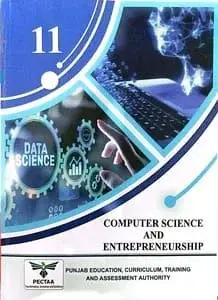
Punjab Board Class 11 Computer Science New Book PDF Download (PCTB / PECTAA) 2026-2027
The Punjab Board Class 11 Computer Science textbook, published by the Punjab Education, Curriculum, Training and Assessment Authority (PECTAA / PCTB), is the official curriculum resource for Intermediate Part 1 (HSSC Part 1 / 1st Year ICS) students for the 2026-2027 academic session. This revised new syllabus book introduces contemporary computing essentials including Python programming, Software Development Life Cycle (SDLC), algorithms and computational complexity, data structures, data analytics, cloud computing, blockchain, cyber ethics, and digital entrepreneurship. Students and educators across all Punjab educational boards can view the complete textbook online or download the free PDF on this page for academic study and board exam preparation.
Overview
What Is the Punjab Board Class 11 Computer Science New Book About?
The Punjab Board Class 11 Computer Science textbook - commonly known as the PCTB Computer Science book or PECTAA Computer Science textbook - is the official, government-approved curriculum text prescribed for students enrolled in Intermediate Part 1 (1st Year / HSSC Part 1 / ICS) across all higher secondary institutions affiliated with Punjab educational boards. Published by the Punjab Education, Curriculum, Training and Assessment Authority (PECTAA) (formerly Punjab Curriculum and Textbook Board, PCTB / PTB), it establishes the core academic benchmark for computer studies and software fundamentals.
This new revised edition for the 2026-2027 academic session marks a significant modernization of the intermediate computing syllabus. Moving beyond legacy procedural paradigms, the curriculum embraces modern industry-relevant tools and concepts, with a special focus on Python programming, modular architecture, object-oriented concepts, and computational problem solving. It prepares students for practical software design while building a rigorous academic base for Class 12 (HSSC Part 2) computing, university-level CS/IT degree programs, and competitive technical careers.
The textbook is structured into 9 detailed chapters covering theoretical frameworks, practical coding, algorithm analysis, and modern digital competencies. It begins with Introduction to Software Development (SDLC, Agile, UML, and Design Patterns) and transitions into hands-on Python Programming (syntax, control structures, modules, OOP, and debugging). It further explores Algorithms and Problem Solving (Big O notation, complexity classes, search/sort algorithms), Computational Structures (stacks, queues, trees, and graphs), and Data Analytics (statistical modeling, data cleaning, and visualization). The final units cover modern industry landscapes including Emerging Technologies (Cloud computing and Blockchain), Legal and Ethical Aspects of Computing Systems, Online Research and Digital Literacy, and Entrepreneurship in Digital Age.
Structured in accordance with the Student Learning Outcomes (SLO) assessment model, this textbook emphasizes analytical logic, algorithmic thinking, and practical programming proficiency over rote memorization. Students preparing for Punjab Board annual exams are advised to use this official edition to ensure full alignment with board paper patterns.
Who Should Use This Book?
- ICS Students: Class 11 / HSSC Part 1 students enrolled in Intermediate in Computer Science (ICS) across BISE Lahore, BISE Rawalpindi, BISE Faisalabad, BISE Multan, BISE Gujranwala, BISE Sahiwal, BISE Sargodha, BISE Bahawalpur, and BISE DG Khan. It is the primary reference for both theory and practical examinations.
- Computer Science Lecturers: College professors and instructors can utilize this textbook to organize lecture sequences, design hands-on programming labs in Python, and develop assessment tests conforming to PECTAA SLO standards.
- Parents: Parents supporting intermediate students can consult this textbook to stay informed about the modern computing topics and technical skills expected in the 1st Year ICS syllabus.
- Board Exam Candidates: Students preparing for annual and supplementary board exams will find direct coverage of all examination questions, coding exercises, algorithm traces, and conceptual short queries.
- Self-Taught Programmers & Beginners: Individuals looking to learn Python, algorithm analysis, data structures, and software engineering methodologies can utilize this clear, structured guide for self-paced study.
How Does This New Book Help in Punjab Board Exams?
The updated Intermediate Computer Science exam evaluates theoretical comprehension, coding logic, and algorithmic efficiency. This PECTAA-authorized textbook is carefully designed to support every dimension of the board examination pattern:
- Hands-On Programming Mastery: Detailed treatment of Python syntax, conditional branching, iteration, functions, built-in data structures (lists, tuples), and exception handling equips students to write and trace code questions accurately.
- Algorithmic & Computational Thinking: In-depth explanations of algorithm design techniques (Divide & Conquer, Greedy, Dynamic Programming, Backtracking), Big O complexity analysis, and classic sorting/searching algorithms directly support long and analytical board exam questions.
- Modern Software Engineering Concepts: Dedicated sections on SDLC models (Waterfall, Agile), UML diagrams (Class, Sequence, Activity), and design patterns (Singleton, Factory, Observer) prepare students for advanced software questions.
- Data Analytics & Emerging Tech Foundation: Coverage of statistical modeling, data visualization, cloud architectures (IaaS, PaaS, SaaS), and blockchain technology ensures full coverage of modern curriculum domains.
- Official Syllabus Authenticity: Relying on this official PECTAA/PCTB 2026-2027 textbook protects students from outdated syllabus material and ensures full adherence to official exam marking schemes.
List of Chapters - Punjab Board Class 11 Computer Science
- Introduction to Software Development
- Python Programming
- Algorithms and Problem Solving
- Computational Structures
- Data Analytics
- Emerging Technologies
- Legal and Ethical Aspects of Computing System
- Online Research and Digital Literacy
- Entrepreneurship in Digital Age
How to Use This Book
Students and teachers can utilize this page in two simple ways:
- View Online: Read the complete Computer Science textbook directly in your browser without installing external software.
- Download PDF: Save the entire textbook PDF to your computer, tablet, or smartphone for convenient offline reading and coding practice.
Related Resources
Download Book PDF
Download Book in PDF Format for offline study, revision and exam prepartion